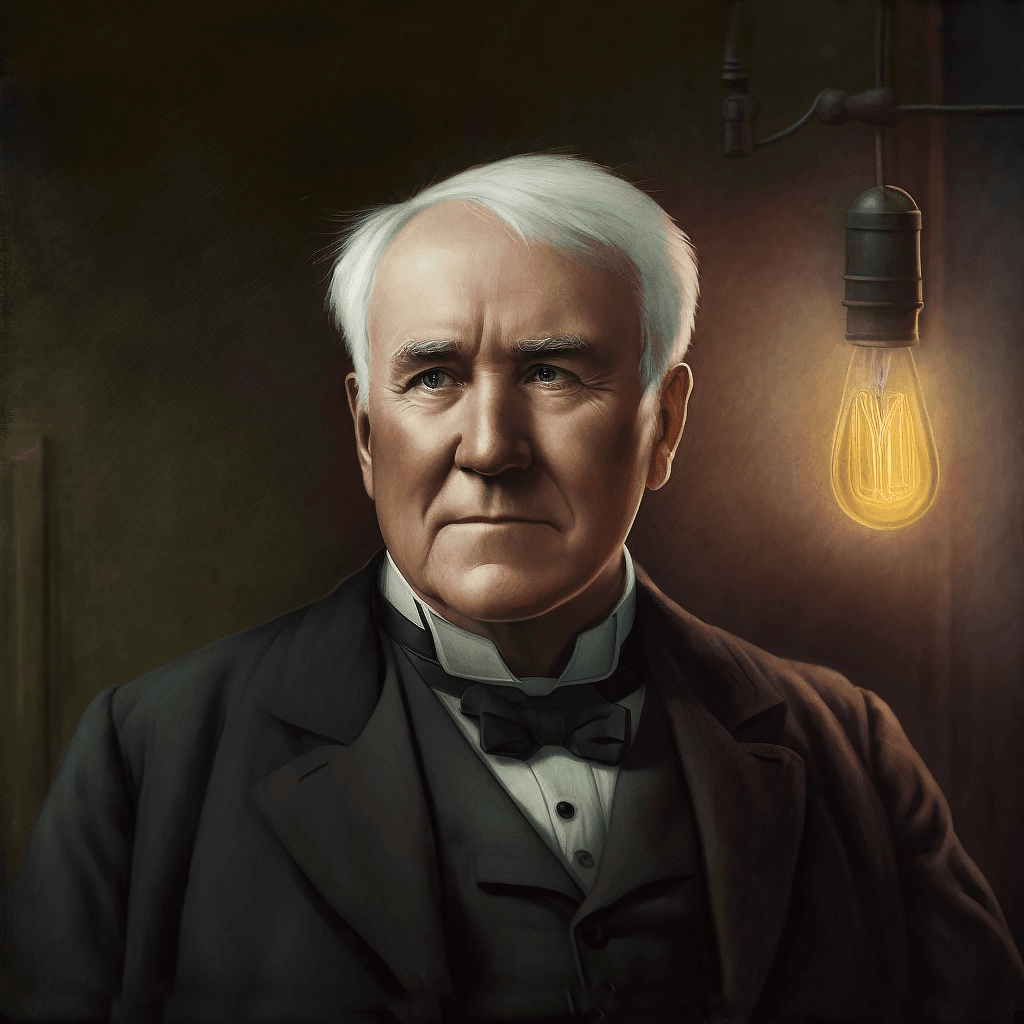
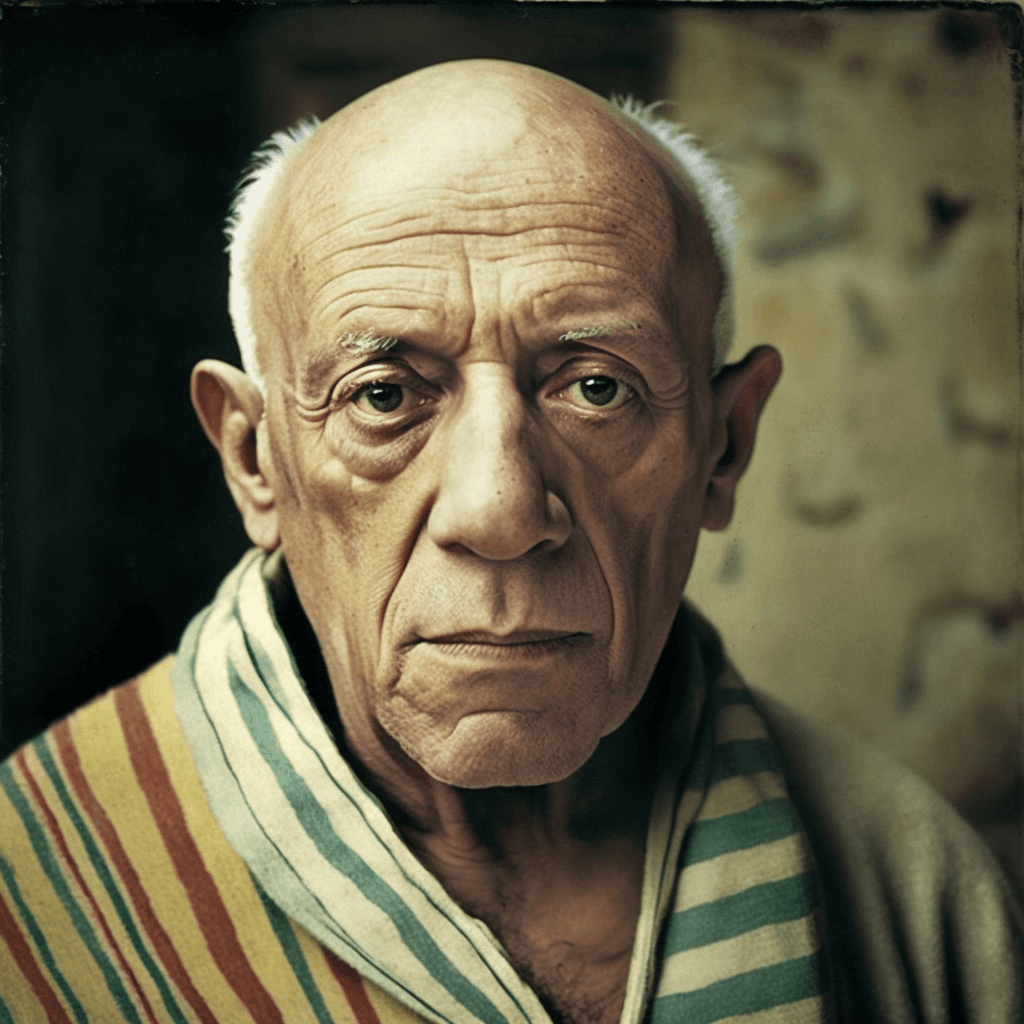
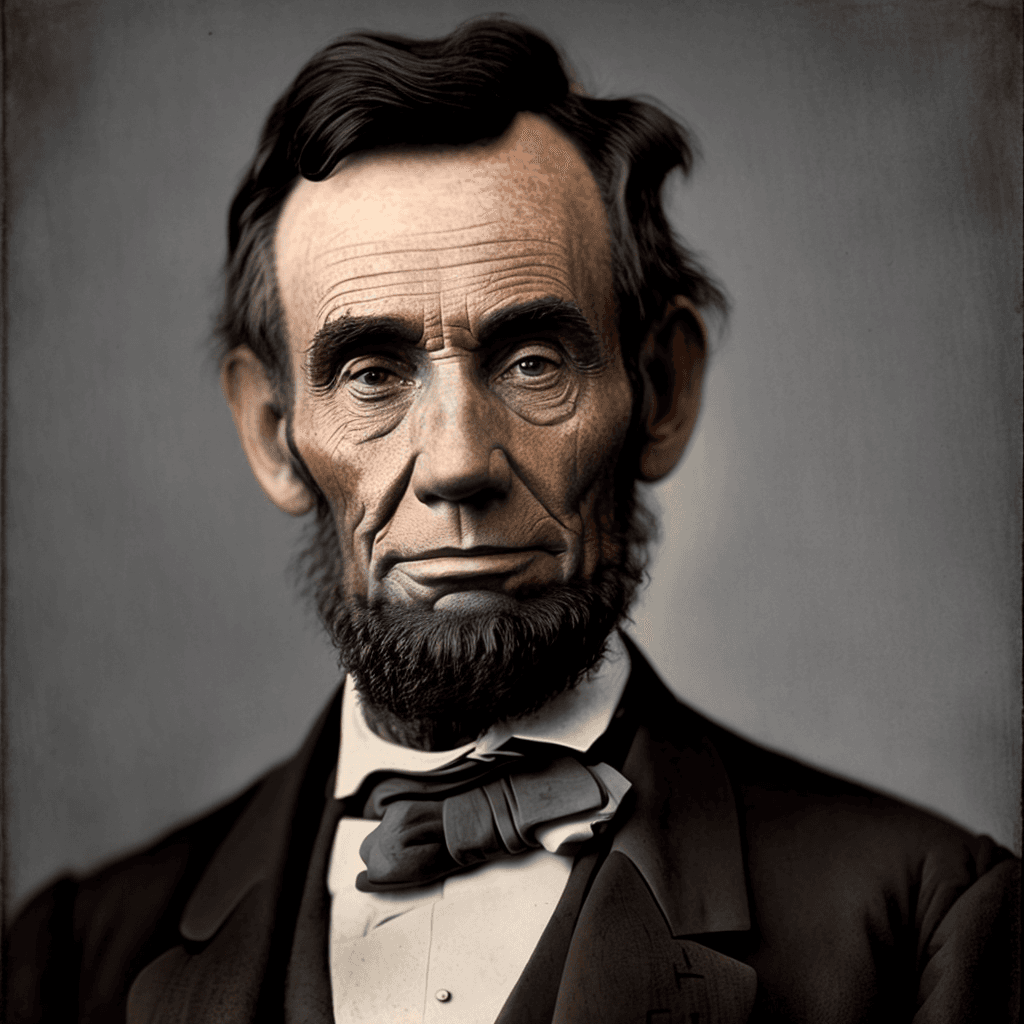
Synchronized Sound Animation
Popularized sound-cartoon integration with Mickey Mouse shorts.
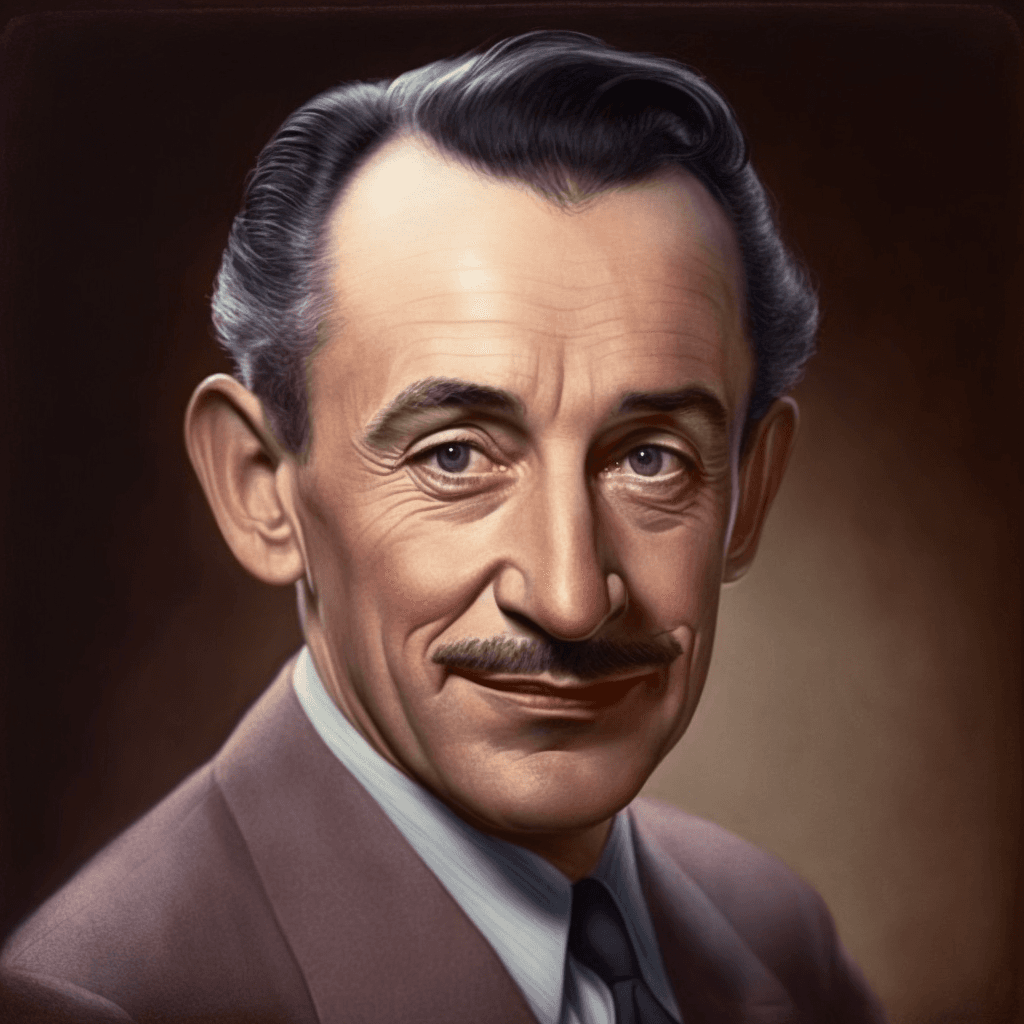
1901-1966
Animator - Producer - Entrepreneur
Уолт Дисней (Walt Disney) родился в Чикаго и начал свою карьеру в коммерческом искусстве и короткой анимации в эпоху немого кино. После ранних неудач он совместно с братом Роем основал студию Disney Brothers в Калифорнии, сочетая творческое руководство с дисциплинированным расширением бизнеса. Его амбиции выходили за рамки мультфильмов и охватывали интегрированное повествование и брендовую развлекательную экосистему.
Под руководством Диснея студия представила анимацию с синхронизированным звуком с "Паромщиком Уилли" и позже выпустила "Белоснежка и семь гномов", первый полнометражный анимационный фильм. Он активно инвестировал в технические инновации, включая многоплановые камеры и цветные анимационные процессы, одновременно создавая узнаваемых персонажей и нарративные формулы с широкой привлекательностью для аудитории.
Дисней позже разработал Диснейленд как новую модель опытного развлечения, объединяя архитектуру, повествование и потребительскую культуру в управляемой городской среде. Его наследие включает огромное влияние на глобальные медиа, нормы семейного развлечения и стратегию франчайзинга. Ученые продолжают оценивать его работу как с точки зрения творческих достижений, так и в контексте дебатов о труде, представлении и культурной власти.
Ключевые моменты жизни и наследия этой личности
1901
Raised in the Midwest and developed early interests in drawing and performance.
1928
Released a landmark synchronized-sound cartoon featuring Mickey Mouse.
1937
Debuted the first full-length cel-animated feature film.
1955
Launched a new entertainment model combining narrative worlds and physical space.
1966
Died while planning major expansions in film, television, and parks.
Вехи, определяющие вклад этой личности в историю
Popularized sound-cartoon integration with Mickey Mouse shorts.
Released Snow White, proving commercial viability of animated feature films.
Created Disneyland as a template for immersive branded environments.
Built one of the world's most influential entertainment companies.
Примечательные детали об этой личности
Как эта личность изменила мир, который мы унаследовали
Дисней помог определить визуальное повествование XX века, брендинг персонажей и трансмедийную бизнес-стратегию. Его инновации в анимации и дизайне тематических парков повлияли на глобальные развлекательные индустрии, туризм и культуру детства. Учреждения, которые он создал, продолжают формировать то, как нарративы создаются, распространяются и монетизируются на протяжении поколений.
Влияние на последующие поколения
Disney helped define twentieth-century visual storytelling, character branding, and transmedia business strategy. His innovations in animation and theme-park design influenced global entertainment industries, tourism, and childhood culture. The institutions he built continue to shape how narratives are produced, distributed, and monetized across generations. Death in Burbank (1966) remains a defining moment in Walt Disney's enduring reputation.
Другие профили той же эпохи или области
Подобранные образовательные ресурсы для дальнейшего изучения
Начните беседу и изучите мудрость через Historical Collection AI.