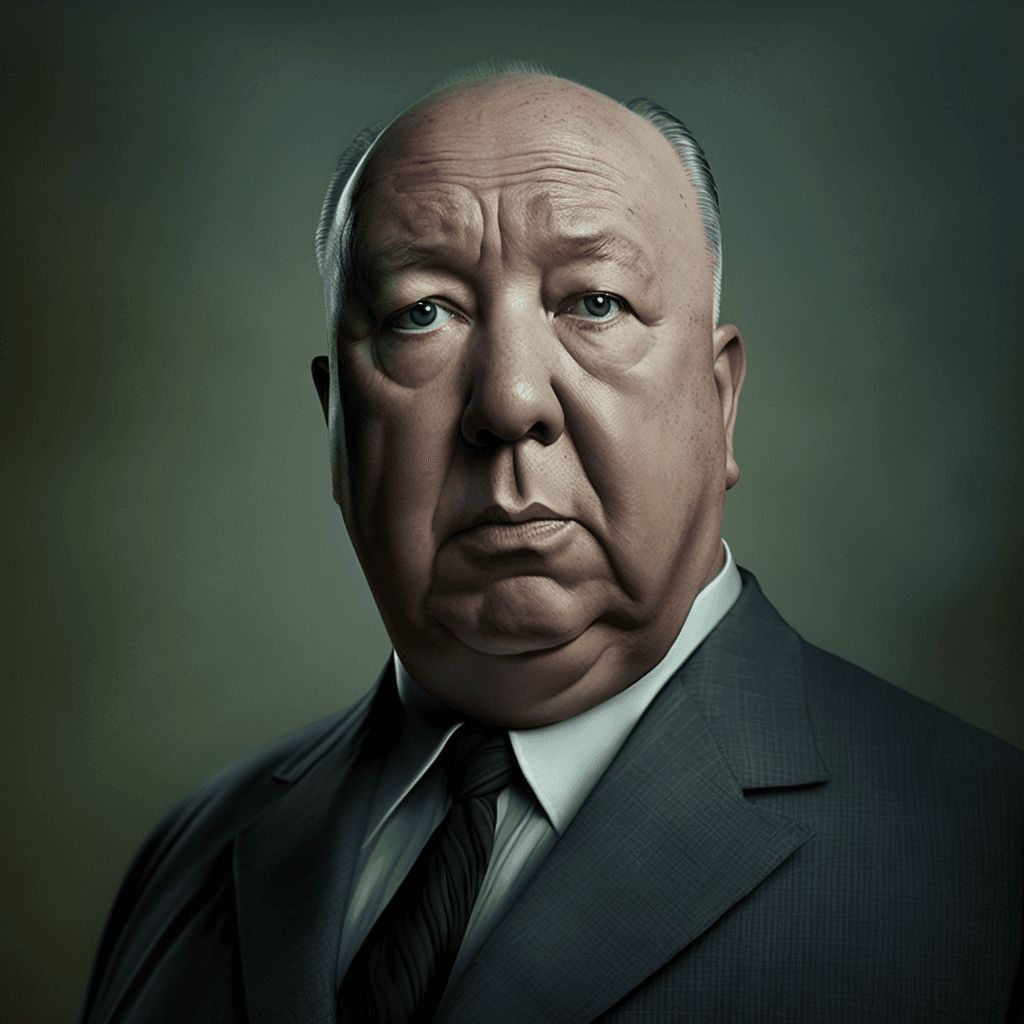
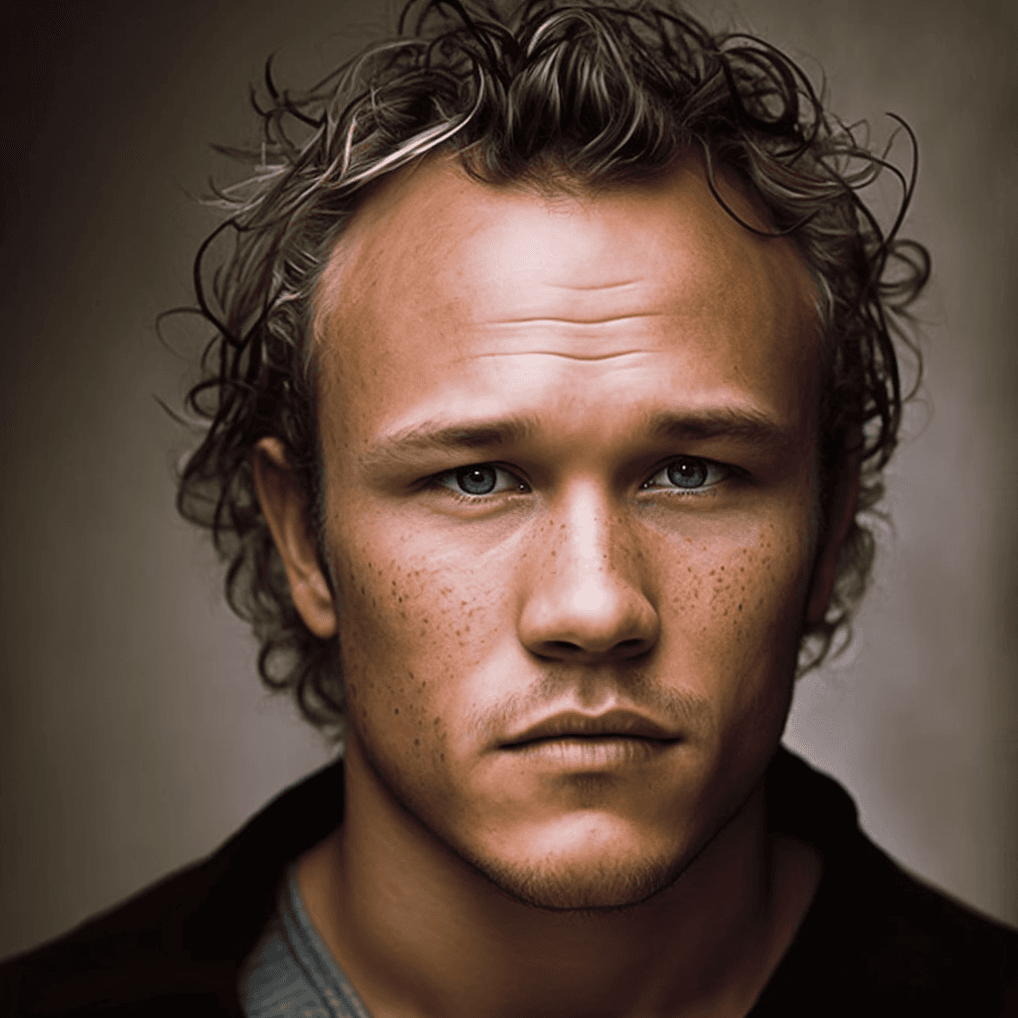
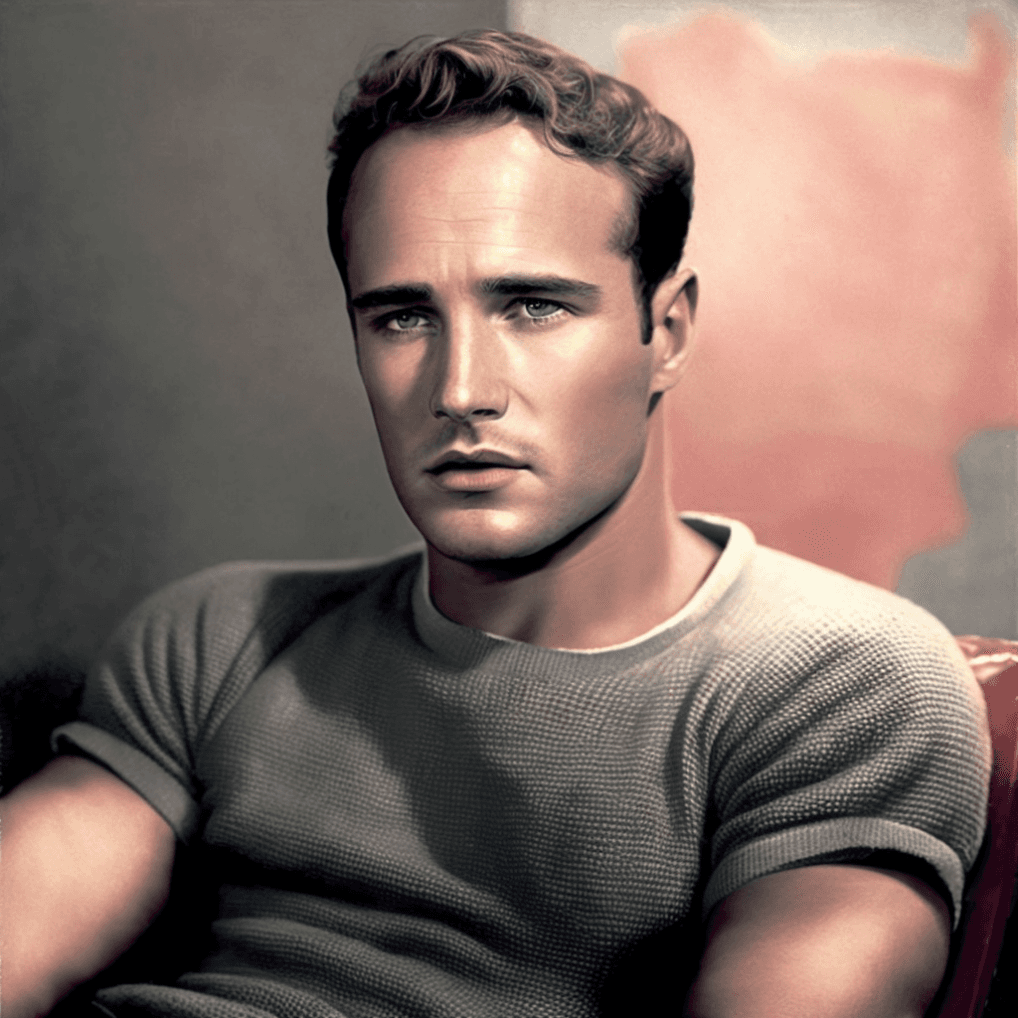
Purple Noon Breakthrough
Starred as Tom Ripley in Rene Clement's 1960 thriller, launching international stardom.
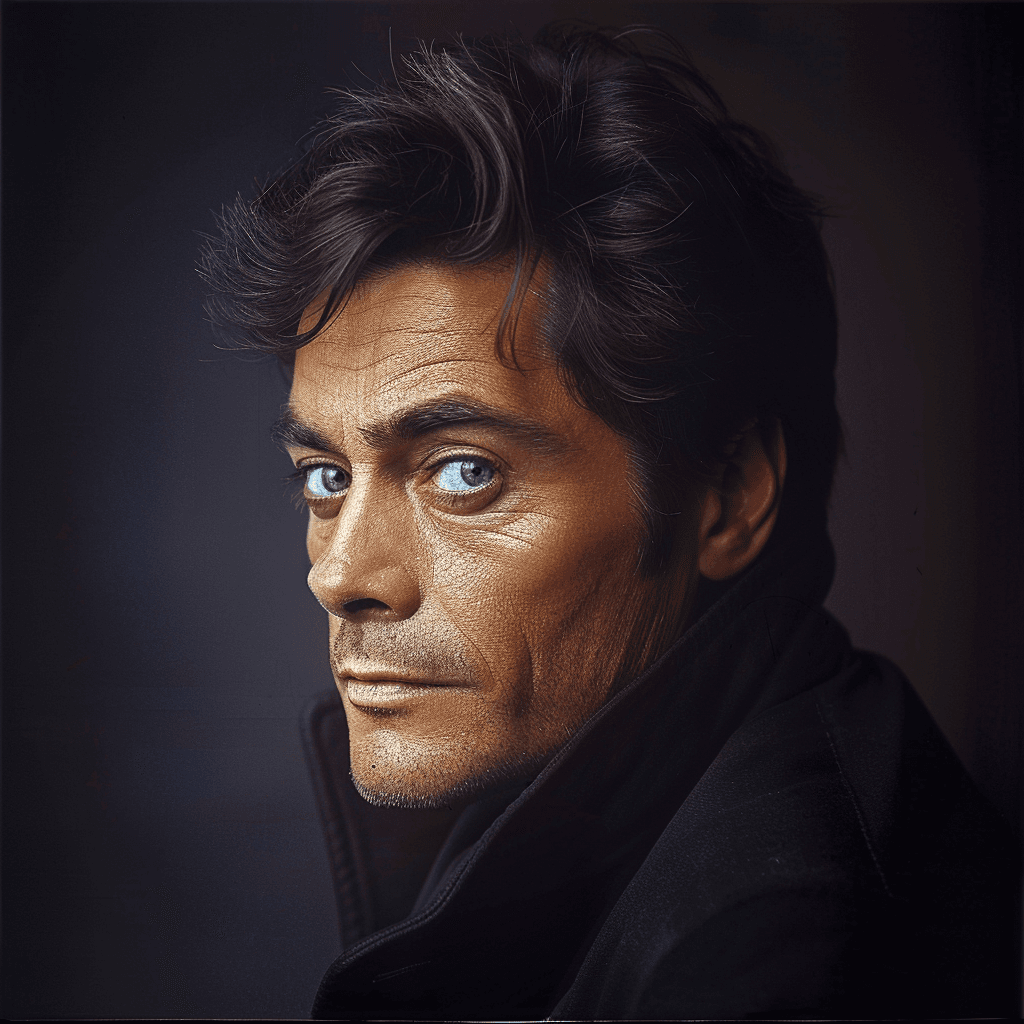
1935–2024
Actor • Icon • Cinematic Legend
Alain Delon was born on 8 November 1935 in Sceaux, a suburb south of Paris, into a family marked by early fracture and instability. His parents separated when he was young, and periods of foster care interrupted his childhood before he entered adolescence. After schooling that left him restless, he enlisted in the French Navy and served in Indochina during the final phase of France's colonial war, an experience that hardened his bearing and fed the controlled, watchful persona audiences would later read as moral ambiguity on screen. Returning to France in the mid-1950s, he worked briefly as a porter at Paris markets and pursued acting with a confidence that belied his lack of formal training. Casting agents noticed his angular bone structure, pale eyes, and economy of gesture at a moment when French cinema was moving away from theatrical declamation toward tighter, more modern performance styles influenced by American film noir and Italian neorealism. Early small roles in Yves Allégret's films and a brief stage appearance led to his first significant exposure, but it was his self-assurance in auditions—some said arrogance—that kept him visible when more polished actors faded. He formed important friendships with Romy Schneider on the set of Christine and later maintained a complicated public relationship with her that fascinated the European press. Delon's childhood poverty and military service gave his performances a stillness that directors interpreted as depth rather than inexperience. By the late 1950s he was being compared to James Dean and Marcello Mastroianni, though Delon's characters tended toward calculation rather than romantic rebellion. He understood early that cinema was a visual medium and that a glance could carry more narrative weight than a speech, a lesson he would apply across four decades.
Delon's international breakthrough arrived through Rene Clement's Purple Noon (1960), an adaptation of Patricia Highsmith's The Talented Mr. Ripley in which he played Tom Ripley as a seductive, amoral charmer on the Mediterranean. The role established a template—elegant surfaces concealing violence—that would recur across his career. He collaborated with Luchino Visconti on Rocco and His Brothers and The Leopard, bringing emotional restraint to stories of working-class migration, aristocratic decline, and the Risorgimento's social upheaval. With Jean-Pierre Melville he refined an austere gangster archetype in Le Samourai, Le Cercle Rouge, and Un flic, films whose muted color palettes, precise framing, and fatalistic pacing influenced crime cinema from Hong Kong to Hollywood. Delon also worked with Michelangelo Antonioni, Joseph Losey, and numerous Italian directors, often playing men whose beauty did not guarantee virtue. In Le Samourai he portrayed hitman Jef Costello as a solitary professional whose ritualized routines and empty apartment became visual metaphors for postwar alienation. The Leopard placed him within Visconti's meditation on aristocratic extinction, while Rocco and His Brothers explored how southern Italian migrants confronted industrial Milan. Off screen he produced films through his company Delbeau, invested in horse racing, and cultivated a public image of disciplined glamour—tailored suits, cigarette, sunglasses—that extended his cinematic identity into fashion photography and celebrity culture across Europe and East Asia. Japanese and Hong Kong filmmakers studied his wardrobe and posture; John Woo and others acknowledged Melville-Delon crime aesthetics as a template for heroic gunmen. Even when scripts were mediocre, directors hired Delon because his presence restructured a frame: viewers watched him to detect when charm would curdle into menace.
Delon's personal life attracted relentless press scrutiny, including legal disputes, political statements, and relationships that sometimes overshadowed discussion of his craft. He supported conservative causes in later decades and remained a polarizing figure in French public life even as retrospectives at Cannes and other festivals reaffirmed his artistic stature. Tabloid coverage of family conflicts, business disputes, and his outspoken views on immigration and national identity complicated legacy debates, yet cinephile communities continued to rank his collaborations with Melville and Visconti among postwar European peaks. Directors continued to seek his presence into the 1990s and beyond because he could convey threat and vulnerability without explanatory dialogue, trusting the camera to register minute shifts in expression. By the late twentieth century he had become a reference point for cinematic masculinity—detached, precise, visually iconic—in a lineage stretching from Dashiell Hammett adaptations to contemporary serial antiheroes. Academic film studies placed him within star theory as an example of how physical type and off-screen persona reinforce genre meaning. When he died in 2024 at eighty-eight, tributes across Europe recalled not only a star but a way of seeing: postwar alienation rendered through poise, shadow, and the unsettling calm of a man who might smile or strike with equal plausibility. His filmography preserves a classical star image at the moment French and Italian cinemas negotiated modernity, empire's aftermath, and the moral costs of beauty. Streaming revivals introduced younger viewers to Purple Noon and Le Samourai, confirming that Delon's minimalism speaks across generations trained on faster editing. He remains a case study in how a performer can define an era's visual grammar while remaining stubbornly difficult to separate from the myths that surrounded his private life.
1935 — Born in Sceaux. Born near Paris and raised amid family instability before entering foster care.
1957 — Acting Debut. Began film work in France after military service in Indochina.
1960 — Purple Noon. Achieved breakthrough success as a seductive antihero in Clement's adaptation of Patricia Highsmith.
1967 — Le Samourai. Collaborated with Melville on a minimalist crime film that became a genre landmark.
2024 — Death in France. Died at eighty-eight, widely mourned as a defining face of European cinema.
Key moments across this figure's life and legacy
1935
Born near Paris and raised amid family instability before entering foster care.
1957
Began film work in France after military service in Indochina.
1960
Achieved breakthrough success as a seductive antihero in Clement's adaptation of Patricia Highsmith.
1967
Collaborated with Melville on a minimalist crime film that became a genre landmark.
2024
Died at eighty-eight, widely mourned as a defining face of European cinema.
Landmarks that define this figure's contribution to history
Starred as Tom Ripley in Rene Clement's 1960 thriller, launching international stardom.
Defined modern French gangster cinema through collaborations with Jean-Pierre Melville on Le Samourai and related works.
Delivered acclaimed performances in Visconti films exploring class, family, and political transformation in Italy.
Maintained a decades-long career across French, Italian, and international productions while shaping celebrity style.
Notable details about this historical figure
How this figure shaped the world we inherit
Delon embodied a postwar European star type that fused beauty, danger, and emotional withholding into a coherent cinematic language. Directors from Melville to Visconti used his presence to explore authority, alienation, and social change after empire and war. His influence reaches beyond France into Hong Kong action cinema, fashion photography, and contemporary portrayals of the criminal antihero, making him one of the twentieth century's most recognizable actors.
Enduring influence across generations
Delon embodied a postwar European star type that fused beauty, danger, and emotional withholding into a coherent cinematic language. Directors from Melville to Visconti used his presence to explore authority, alienation, and social change after empire and war. His influence reaches beyond France into Hong Kong action cinema, fashion photography, and contemporary portrayals of the criminal antihero, making him one of the twentieth century's most recognizable actors. Death in France (2024) remains a defining moment in Alain Delon's enduring reputation.
Explore more profiles from the same era or field
Curated educational resources for further study
Start a private conversation and explore their wisdom through Historical Collection AI.