Daodejing (Tao Te Ching)
This foundational text of roughly five thousand Chinese characters articulates Daoist metaphysics, ethics, and political minimalism.
Discover
Explore influential historical figures from science, philosophy, leadership, art, and culture.
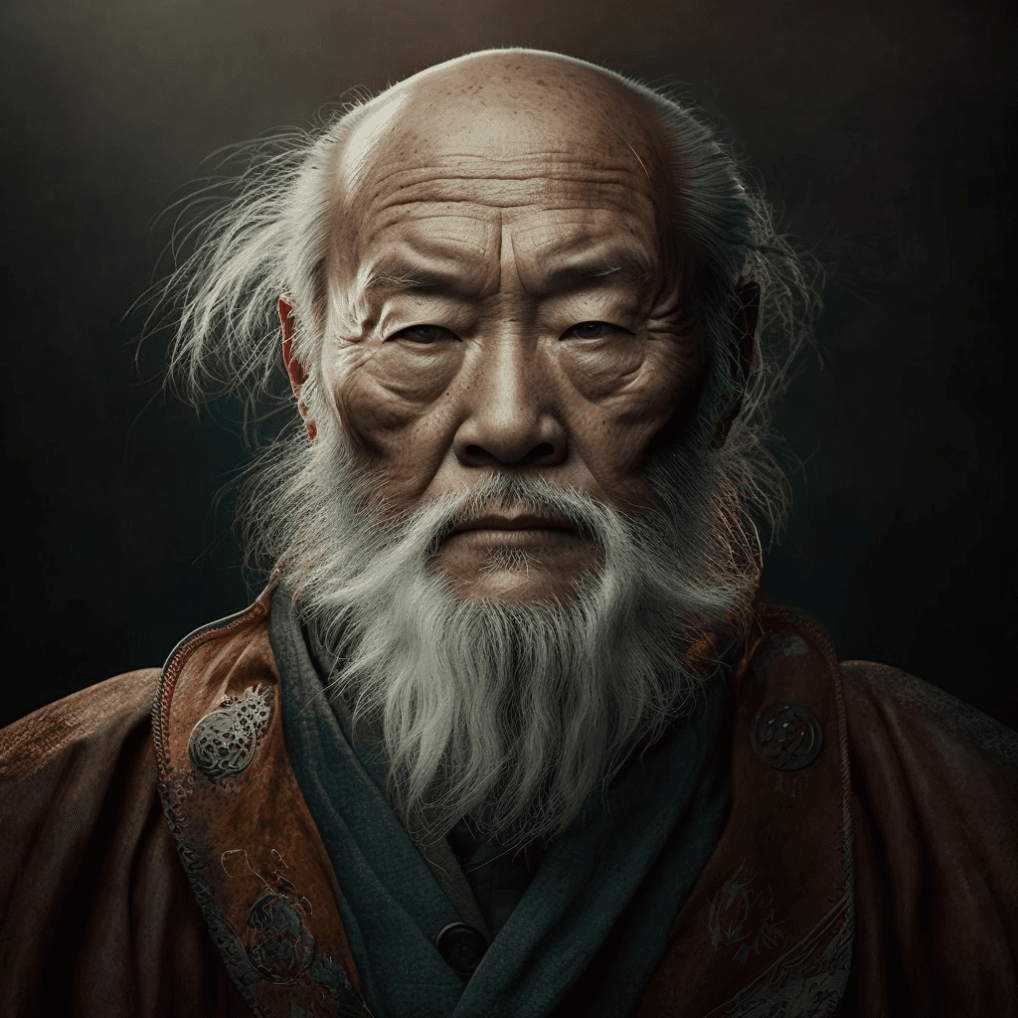
c. 6th century BC
Philosopher • Founder of Taoism
This is a read-only educational profile. Chat, Council Mode, and AI features are not available for historical figures.
Laozi—meaning 'Old Master'—is a semi-legendary figure said to have served as a keeper of archives in the Zhou court. Traditional accounts place him in the sixth century BC, older contemporary of Confucius, though modern scholars debate whether he was a single historical person or a composite name attached to evolving texts. The core work linked to him, the Daodejing (Tao Te Ching), comprises eighty-one brief chapters in aphoristic verse.
Its teaching centers on the Dao, the source and pattern of all things, which cannot be fully named or forced. Laozi counsels rulers and individuals to practice wu wei—non-coercive action aligned with nature—rather than impose rigid laws and ambition. Softness overcomes hardness, emptiness holds usefulness, and desire distorts perception. These paradoxes offered an alternative to Confucian emphasis on ritual, hierarchy, and active moral cultivation.
Whether Laozi emigrated west on a water buffalo or remained a symbolic founder, the Daodejing became one of the most translated texts in world literature. It nourished Daoist religion, influenced Chinese painting and medicine, and reached global audiences through interpreters from Richard Wilhelm to modern philosophers.
Key moments across this figure's life and legacy
c. 6th century BC
Legends describe Laozi as an archivist in the Zhou dynasty who cultivated humility and withdrew from worldly ambition.
c. 6th–4th century BC
The text likely took shape over centuries, with earliest bamboo-slip versions dating to the late Warring States period.
c. 4th century BC
Later stories portray a meeting between Laozi and Confucius, dramatizing rivalry between Daoist and Confucian ideals.
2nd century BC
Han dynasty interest in Huang-Lao thought elevated Daoist ideas within early Chinese statecraft and religion.
Modern era
The Daodejing became one of the most widely translated Chinese classics, influencing philosophy, psychology, and environmental thought worldwide.
Landmarks that define this figure's contribution to history
This foundational text of roughly five thousand Chinese characters articulates Daoist metaphysics, ethics, and political minimalism.
Laozi articulated effortless action in harmony with the natural order, a principle that shaped Daoist practice and East Asian aesthetics.
Teachings attributed to him provided the intellectual root for later Daoist schools, alchemy, and meditative disciplines.
How this figure shaped the world we inherit
Laozi's Daodejing offered a counter-tradition to Confucian order, privileging spontaneity, humility, and alignment with nature. Its ideas permeated Chinese culture and, through translation, shaped Western discussions of simplicity, leadership, and ecology in the twentieth century and beyond.
Explore more profiles from the same era or field
Curated educational resources for further study
Discover historical art and educational content on our media channels