Anti-Apartheid Leadership
Played a central role in mobilizing resistance against racial segregation laws.
Discover
Explore influential historical figures from science, philosophy, leadership, art, and culture.
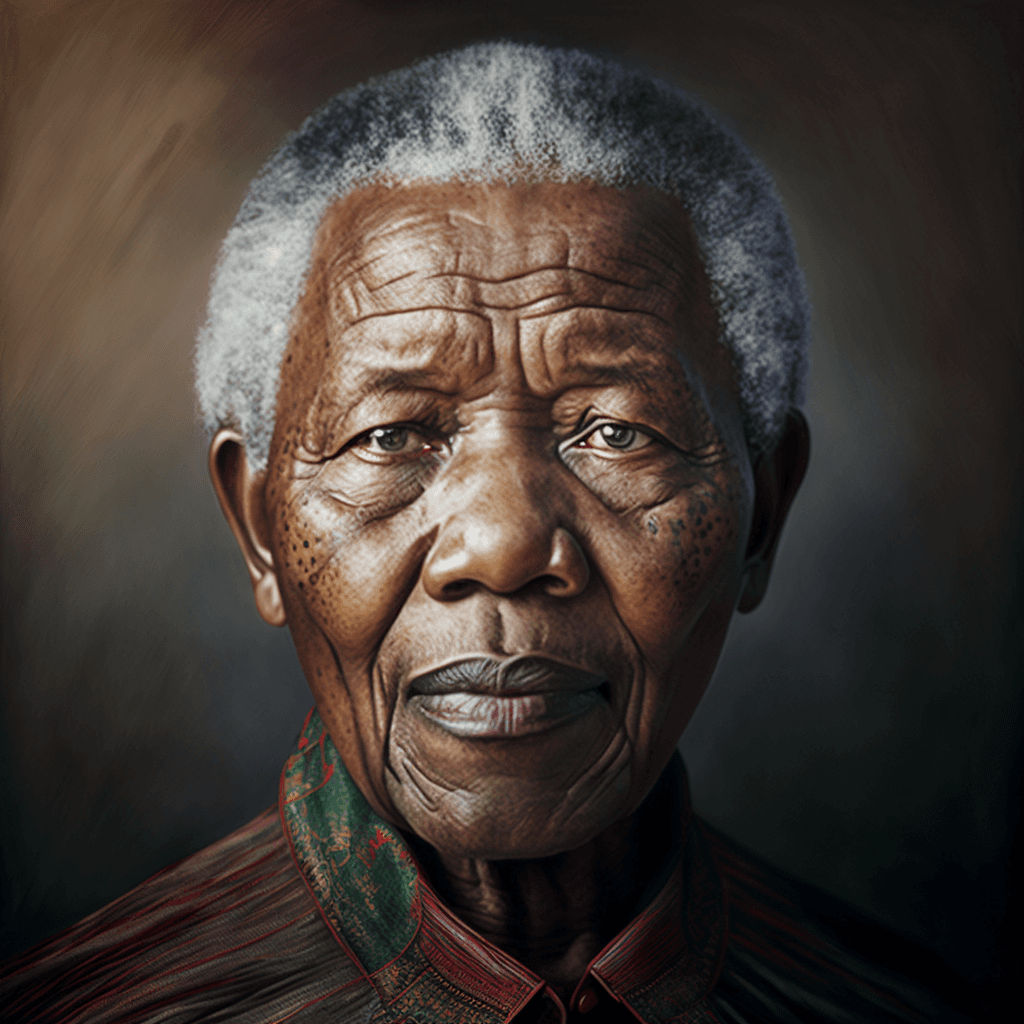
1918-2013
Statesman - Anti-Apartheid Leader - Reconciler
This is a read-only educational profile. Chat, Council Mode, and AI features are not available for historical figures.
Nelson Rolihlahla Mandela was born in the Eastern Cape and trained in law before becoming a key organizer in the African National Congress. Confronting apartheid's institutional racism, he moved from nonviolent protest toward armed resistance under escalating repression. Arrested in 1962 and later sentenced to life imprisonment, Mandela became an international symbol of resistance.
During twenty-seven years in prison, much of it on Robben Island, Mandela's stature grew as anti-apartheid mobilization intensified globally. Released in 1990, he negotiated with the South African government to dismantle apartheid structures and avert wider civil conflict. His leadership during negotiations and election transition combined strategic pragmatism with moral authority.
As South Africa's first Black president in 1994, Mandela emphasized reconciliation, constitutionalism, and institution-building, including support for the Truth and Reconciliation Commission. He stepped down after one term, reinforcing democratic norms in a fragile political moment. Mandela's legacy endures as a model of principled leadership under long-term injustice.
Key moments across this figure's life and legacy
1918
Born into the Thembu royal lineage in South Africa.
1944
Became active in organized struggle against segregationist rule.
1964
Received life sentence and began long imprisonment.
1990
Freed after twenty-seven years and entered formal negotiations.
1994
Became president in South Africa's first democratic election.
Landmarks that define this figure's contribution to history
Played a central role in mobilizing resistance against racial segregation laws.
Converted symbolic authority into practical political settlement.
Led South Africa's first multiracial democratic government.
Supported post-conflict justice and social healing institutions.
How this figure shaped the world we inherit
Mandela demonstrated how political legitimacy can be rebuilt through negotiation, constitutional transition, and restrained leadership after systemic oppression. His presidency offered a global example of post-authoritarian reconciliation without erasing demands for justice. Across movements for human rights and democratic reform, his life remains a reference point for ethical statecraft under extreme conditions.
Explore more profiles from the same era or field
Curated educational resources for further study
Discover historical art and educational content on our media channels