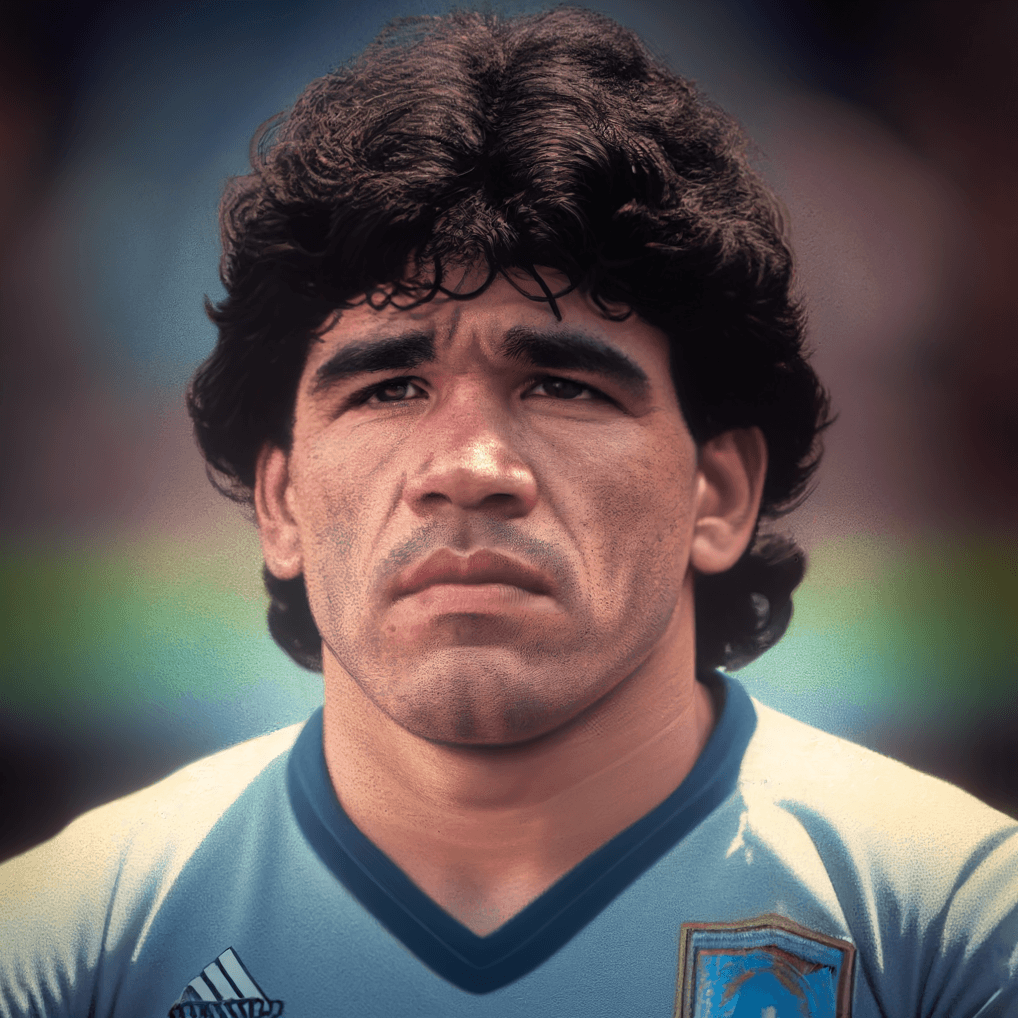
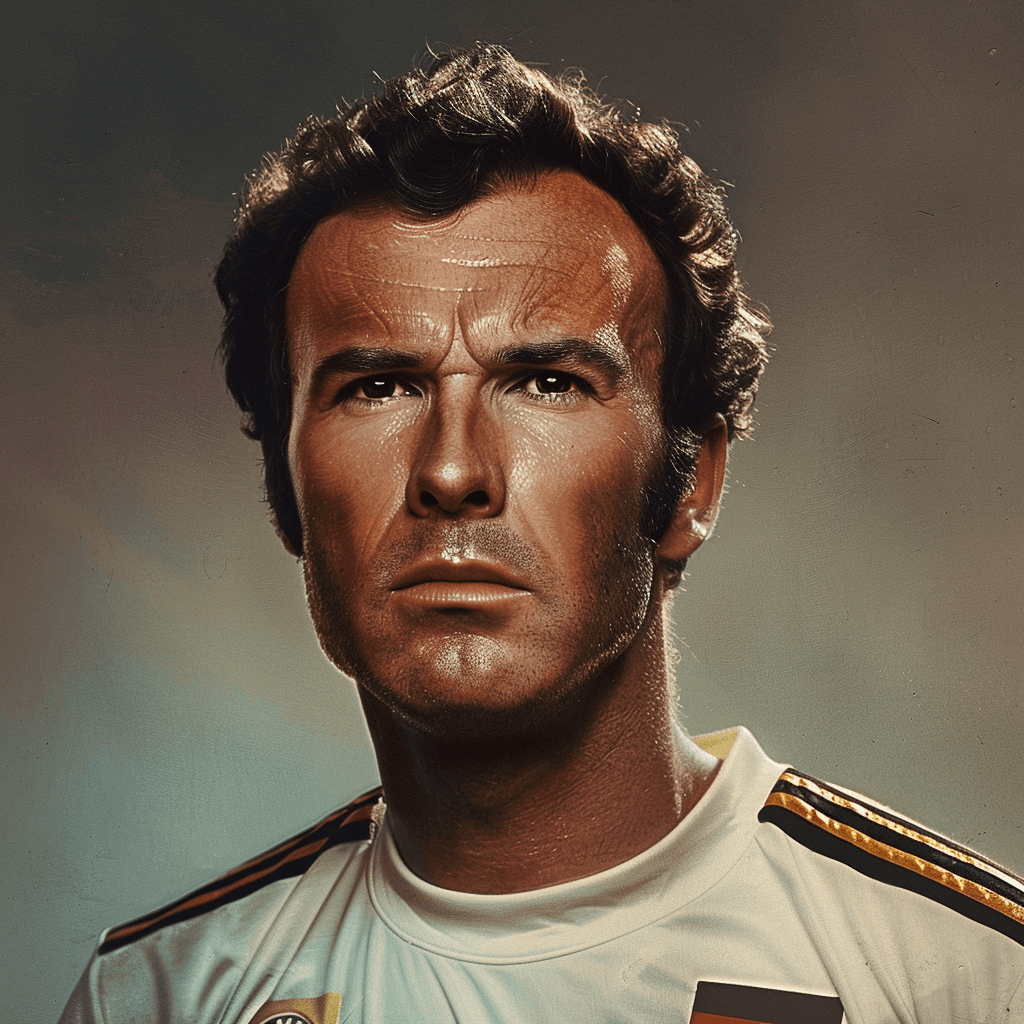
Three World Cup Victories
The only player to win FIFA World Cups in 1958, 1962, and 1970, anchoring Brazil's golden era of attacking football.
Discover
Explore influential historical figures from science, philosophy, leadership, art, and culture.
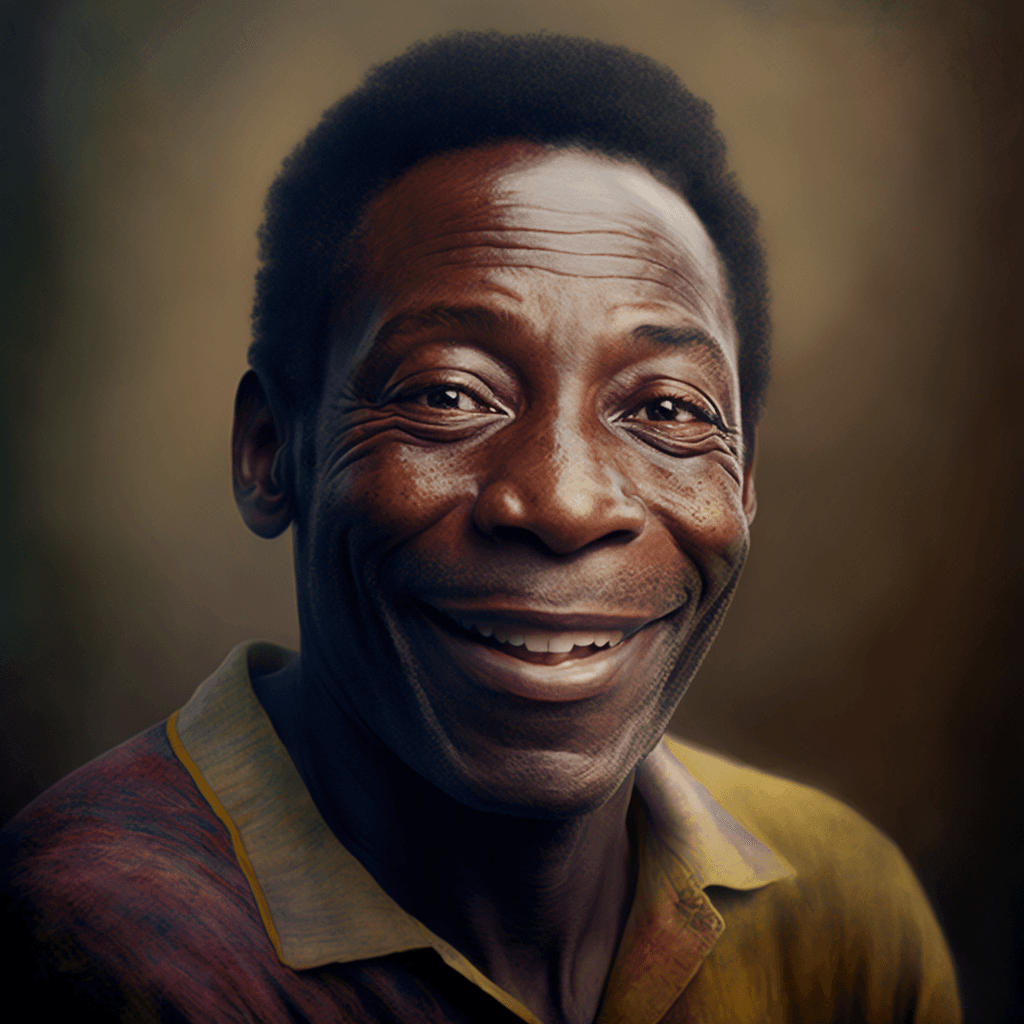
1940–2022
Football Legend • Global Ambassador
This is a read-only educational profile. Chat, Council Mode, and AI features are not available for historical figures.
Edson Arantes do Nascimento was born in 1940 in Três Corações, Brazil, and earned the nickname Pelé as a boy playing barefoot with a sock stuffed with paper. He joined Santos FC at fifteen and made his Brazil debut at sixteen, announcing a talent that combined explosive speed, aerial power, and creative flair rarely seen in one player.
Pelé won his first World Cup in 1958 at seventeen, adding titles in 1962 and 1970—the latter with a team many consider the greatest ever assembled. His goals, including the opening strike in the 1970 final against Italy, were watched by hundreds of millions on television, spreading football's popularity into new continents.
After retiring from Santos, he played briefly for the New York Cosmos, helping launch professional soccer in the United States. For decades he served as a UNESCO ambassador and advocate for youth programs, using his fame to promote education and peace until his death in 2022 at age 82.
Key moments across this figure's life and legacy
1940
Raised in poverty in Bauru, learning football with improvised balls and extraordinary natural ability.
1958
Scored twice in the final against Sweden, becoming the youngest World Cup winner and a worldwide sensation.
1970
Headlined Brazil's triumphant campaign, including a header in the final that epitomized the team's joyful artistry.
1975
Helped popularize soccer in the United States alongside other international stars, drawing record crowds to NASL matches.
2022
Mourned globally as 'O Rei'—the King—whose name became synonymous with football itself.
Landmarks that define this figure's contribution to history
The only player to win FIFA World Cups in 1958, 1962, and 1970, anchoring Brazil's golden era of attacking football.
Reached a milestone tally recognized worldwide, symbolizing individual brilliance within a team-oriented sport.
Led Santos to multiple Copa Libertadores and Intercontinental Cup titles, dominating South American club football through the 1960s.
Promoted the sport across Africa, Asia, and North America, including a pivotal role in the North American Soccer League's growth.
How this figure shaped the world we inherit
Pelé turned football into a universal language. His televised brilliance in the 1958 and 1970 World Cups helped make the sport the world's most watched game, while his post-career advocacy linked athletics to education and international understanding across the Global South.
Explore more profiles from the same era or field
Curated educational resources for further study
Discover historical art and educational content on our media channels